
Opioid Addiction Treatment Options
For example, withdrawal symptoms such as anxiety, agitation, muscle pain, and nausea are severe and distressing, prompting individuals to continue using opioids to avoid them. Social consequences, such as strained relationships and neglect of responsibilities, further exacerbate the disorder, contributing to a downward spiral in an individual’s quality of life. The chronic and progressive nature of opioid addiction, if left untreated, results in overdose, long-term physical harm, and significant psychological distress.
Appointments at Mayo Clinic

Although it also binds to the mu-opioid receptor, naltrexone blocks the receptor, rather than activates it. This guide is a useful tool for clinicians to provide to their patients and their families, along with a resource for pharmacies and patient groups. By clicking “Submit,” you certify that you have provided your legal name and phone number, agree to the terms and conditions and privacy policy, and authorise Paid Advertiser to contact you.
- Using more of your medication than the prescription recommends could leave you worrying excessively about running out of your opioid pills.
- A healthcare provider may make a diagnosis if you meet two of the criteria within a 12-month period.
- These changes, first implemented as temporary measures during the COVID-19 pandemic, have now been made permanent, reflecting a shift towards greater flexibility in treatment options.
- Receiving a personalized OUD treatment plan makes it possible to end the cycle of using more medication to get around increasingly higher levels of tolerance.
Outpatient counseling
These supporters should offer help without taking over the individual’s journey, respecting their autonomy and empowering them to grow and heal. These behavioral shifts contribute to both physical and social isolation, distancing the person from their support networks. If you or someone you know is experiencing OUD, treatment is available. While no single treatment method is right for everyone, recovery is possible, and help is available for OUD.
Taking the First Step Toward Recovery
These effects exacerbate social, financial, and legal challenges, creating a cycle of dependency and harm. Addiction is a condition where something that started as pleasurable now feels like something you can’t live without. Drug addiction is defined as an out-of-control feeling that you must use a medicine or drug and continue to use it even though it causes harm over and over again. Opioids are highly addictive, largely because they trigger powerful reward centers in your brain. Opiate abuse is one of the most common forms of drug abuse in the United States. The highest rates of opiate use are found in those 29 years old and younger (.82%) while rates decrease with age to .09% in adults over age 65.
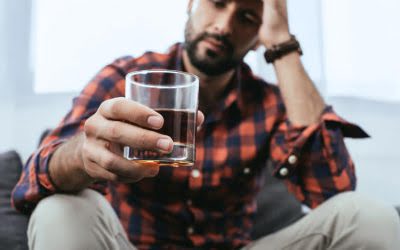
A recovery plan that includes medication for opioid use disorder increases the chance of success. Medications used in the treatment of opioid use disorder support a person’s recovery by helping to normalize brain chemistry, relieving cravings, and in some cases preventing withdrawal symptoms. The signs and symptoms of substance abuse can be physical, behavioral, and psychological. One clear sign of addiction is not being able to stop using opioids. This may look like using the medicine more frequently than your doctor prescribed, using a higher dose than prescribed, or using someone else’s prescription for yourself. Another sign of addiction is seeking https://ecosoberhouse.com/ the immediate rewards (the “high”) of the drug despite knowing the consequences.
- This disorder alters the brain’s neurochemical processes, particularly those involved in reward and pleasure pathways.
- A recovery plan that includes medication for opioid use disorder increases the chance of success.
- Understanding how opioid addiction develops helps people recognise the signs early and encourages them to reach out for support that can break this cycle safely.
- Opioids have important medical uses, but using them, especially long term, may pose some risks.
- If you recognize any of these in yourself or in a loved one, use the lists above to check for more.
- This approach encourages self-reflection and personal responsibility to build long-term change.
When someone overdoses on opioids, the primary risk is respiratory depression, where breathing slows down or stops entirely, leading Sober living house to a lack of oxygen in the body. This causes brain damage, organ failure, and death if not treated immediately. Opioid dependence, on the other hand, was a term previously used in the DSM-IV to describe a physical state where the body becomes reliant on opioids. Dependence is marked by tolerance (the need for higher doses to achieve the same effect) and withdrawal symptoms when opioid use is reduced or stopped. This physical dependence is a component of OUD, but it does not encompass the full range of behaviors and psychological factors involved. In the DSM-5, opioid dependence was absorbed into the broader diagnosis of OUD, with a focus on both physical and psychological aspects.

About Medical News Today
Synthetic opioid use disorder involves the abuse of synthetic opioids like fentanyl, which are highly potent and carry an increased risk of fatal overdose. These disorders share similar features, including physical dependence, tolerance, and withdrawal symptoms, but differ in the type of substance used and the context in which it is consumed. The risk factors and treatment strategies vary depending on the type of opioids involved, with heroin and synthetic opioids presenting more immediate and severe health risks due to their potency. The severity of opioid use disorder varies, but these symptoms collectively indicate a major disruption in physical health, mental well-being, and social functioning.
With so many pathways leading to opioid addiction, spotting the early signs can make all the difference. When these signs are recognised quickly, intervention becomes easier and the cycle of dependency can be stopped before it takes hold. In someone else, they can look like ordinary changes in mood or behaviour.
Physical therapy focuses on exercises and techniques to improve mobility and reduce pain, helping people avoid the need for painkillers. Cognitive behavioral therapy helps individuals manage pain by altering their thoughts and behaviors related to pain perception. The National Institutes of Health (NIH) suggests that these alternatives are safer and more effective in the long term for managing both acute and chronic pain. The treatment options for Opioid Use Disorder include medical detoxification, cognitive behavioral therapy (CBT), and medication-assisted treatment (MAT).
Opioid Addiction Treatment: A Guide for Patients, Families, and Friends
Seeking prompt care allows you to learn how to manage your physical and emotional needs as you begin working on your opioid use recovery. Addiction is treatable, and reaching out for help is a sign of strength. If you’ve noticed the signs of opioid addiction in yourself or a loved one, then contact MedMark Treatment Centers today. You can call us to speak to a compassionate member of our care team today. We also have a simple online confidential form that you can use to connect with our treatment providers.
Early Signs of Opioid Addiction: Symptoms of Opioid Dependence Or Abuse
- You may build your tolerance and seek out more of the drug to get the same effect.
- The longer you use opioids, the greater chance you have of experiencing chronic health issues.
Early detection is paramount to reduce the risk of life-threatening overdose. It shortens the path to recovery and lessens the social and economic toll of addiction. Fortunately, OUD is a treatable disease, and with the right approach, you or your loved one can break free from substance abuse and regain your life. While opioid addiction symptoms medications can ease your path to sobriety, you’ll also need behavioral therapy. In a treatment program, you can learn more about why you started using drugs, and build up skills to resist the temptation to use drugs in the future. Healthcare professionals use specific criteria to diagnose a person with OUD.