
MA Detox, Alcohol And Drug Rehab Centers Ark Behavioral Health
While it’s clear that alcohol can influence blood consistency and clotting, the effects aren’t entirely one-sided. No, the type of alcohol you drink doesn’t make a significant difference in its blood-thinning effects. However, it’s important to note that different types of alcoholic beverages can have different effects on your overall health.
Does One Drink Break Sobriety? A Nuanced Answer
- Brittany has 15 years of experience in the Mental Health and Substance Abuse field.
- For those who are already taking blood thinners, drinking alcohol can exacerbate these effects, leading to dangerous health situations.
- However, alcohol excess still poses a risk because it strains the liver and increases bleeding risk through other mechanisms.
- They may refer to them as blood thinners, anticoagulants, or antiplatelet drugs.
- It’s hard for your doctor to determine the right dose and keep you as healthy as possible if you also drink.
Combining alcohol with blood thinners carries various potential adverse outcomes, primarily an increased risk of bleeding. Individuals might notice easy bruising, nosebleeds, or bleeding gums that do not stop readily. Other signs of external bleeding include prolonged bleeding from minor cuts or heavier than usual menstrual bleeding.
Ask the Expert: Common Questions About Alcohol and Blood Thinners

Excessive alcohol consumption can lead to increased bleeding, impaired wound healing, and other health risks. If you or someone you know is struggling with alcohol use, seeking professional help is important. Excessive alcohol intake over time can contribute does alcohol make your blood thinner to the development of liver disease, such as cirrhosis. Liver disease can affect the production of proteins necessary for blood clotting. Consequently, it can lead to an imbalance in the clotting process, increasing the risk of bleeding disorders. Excessive alcohol consumption disrupts blood coagulation and increases the risk of strokes caused by hemorrhaging.
Injecting Drugs: Health Risks and Social Consequences
You should limit your alcohol intake if you are taking blood thinners. One drink on occasion is not likely to cause problems, but moderate to heavy drinking with anticoagulant medications is dangerous. It increases the risk of bleeding-type strokes as well as blood loss from what would otherwise be a small injury. Understanding the relationship between alcohol and blood thinners is crucial for individuals who are taking these medications. While alcohol is not a blood thinner itself, it can still impact blood function and interact with blood thinners, potentially increasing the risk of bleeding. Always consult with your healthcare provider and follow their guidance to ensure your safety and well-being.
Health Categories To Explore
When it comes to taking any medications, always be sure to speak to your doctor about drinking and using other medications. Of course, healthcare professionals are here to assist and support you along the way. It is also important to seek medical attention if you experience any of the symptoms of thinning blood. Your doctor will be able to investigate the cause of your symptoms and provide the appropriate treatment. Drinking to excess can lead to injuries, alcohol poisoning, violence, stillbirth/miscarriage, and risky sexual acts (sex with multiple partners, unprotected sex, etc.).
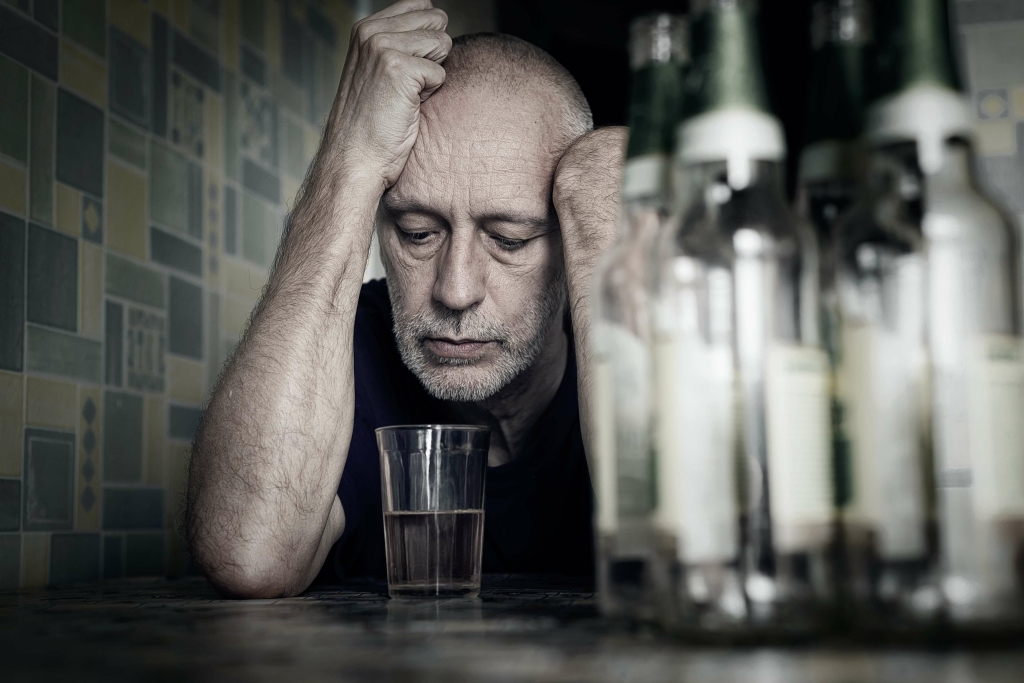
The standard definition of «moderate» drinking (up to one drink per day for women, two for men) does not apply to people taking blood thinners. For this group, the concept of «safe» consumption is highly individual and must be determined by a healthcare professional. Alcohol’s blood-thinning effect, if consumed in moderation, might have some potential cardiovascular benefits.
- Whether you are struggling with addiction, mental health or both, our expert team is here to guide you every step of the way.
- This interaction necessitates caution, as the margin between therapeutic blood thinning and hazardous hemorrhage is narrow.
However, they can pose unique challenges when combined with substances like alcohol. People taking blood thinners must be aware of how alcohol could affect their medication’s efficacy and safety. what is alcoholism Platelets are small blood cells that play a crucial role in blood clotting. Excessive alcohol consumption can affect platelet function, making them more likely to clump together and form clots.
However, moderate drinking can, under certain circumstances, yield some mild antiplatelet or vasodilatory influences, which might produce a modest thinning effect. The concept is further complicated by numerous variables—individual genetics, overall diet, drinking patterns, and any concurrent health issues. In the study carried out by Georgetown University, it was also found that red wine works as a better blood thinner than many other forms of alcohol. The effects of alcohol in the reduction of blood clotting were more pronounced in the female participants of the study than their male counterparts. In the experiment, when one serving of alcohol mixed in grain was provided, the effect on prevention of clotting was negligible.
In this article, we’ll dive into how beer affects blood clotting, the short and long-term health implications, and the safety concerns for individuals on blood thinners. Research suggests that in low to moderate amounts, alcohol may have blood-thinning effects due to it reducing platelet function. However, higher amounts of alcohol consumption may have the opposite effect and increase the risk of blood clotting.
What are the Health Risks of Alcohol Thinning Out the Blood?
The best way to lower your cholesterol is with a heart-healthy diet, regular exercise, and maintaining a healthy weight. Alcohol can increase blood pressure, damage your heart, cause strokes, and has an unpredictable blood-thinning effect that you can’t rely on. When the platelet count drops and the existing platelets don’t work properly, you may not be able to clot properly to stop bleeding. This can cause serious problems with a minor cut and become life-threatening if you have a major injury. Blood thickness (viscosity) is determined by the components in the plasma (the liquid part of your blood), which includes red blood cells, white blood cells, and platelets.
Talk with a healthcare professional to find out which blood thinner you qualify for. A man’s blood typically thins if he drinks two (two ounces of liquor) or more daily. The amount of alcohol needed to thin the blood varies from person to person. Generally, it takes one to two drinks over the course of a few hours to thin the blood. However, factors such as age, body weight, and metabolism can also affect the amount of alcohol required to thin the blood. The amount of alcohol that is needed to thin the blood varies from person to person.
Adding alcohol — which can impair balance and judgment — into the equation can lead to accidental falls or injuries that become more dangerous when your blood can’t clot as quickly. In fact, most blood-thinning medications will specifically advise against mixing them with alcohol. Blood thinners can be dangerous, increasing your risk of severe bleeding during an accident or with an injury. Their use must be carefully monitored to ensure that the blood does not become too thin. Alcohol can impair wound healing due to its impact on the blood’s clotting ability. Prolonged blood thinning caused by excessive alcohol consumption can delay the natural healing process.